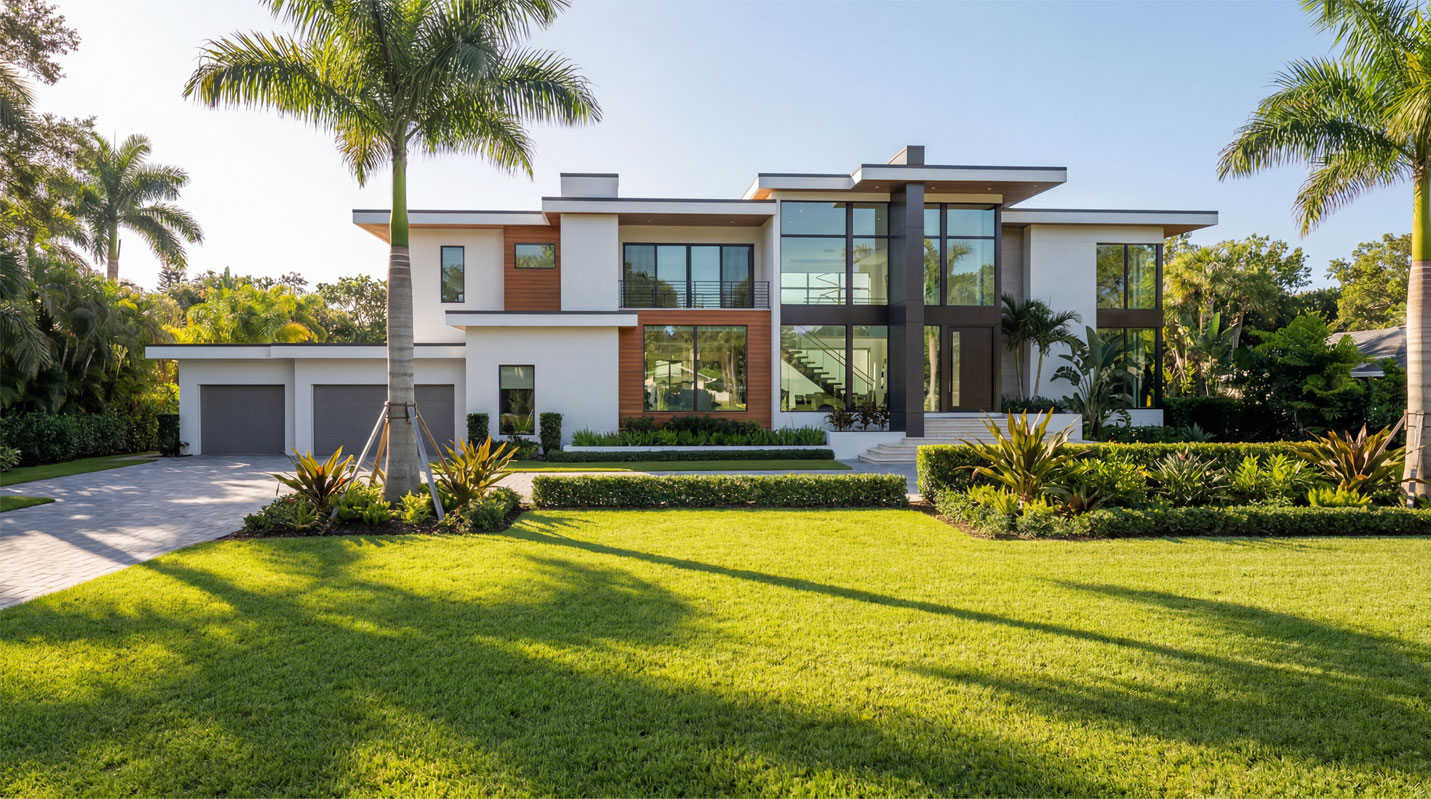
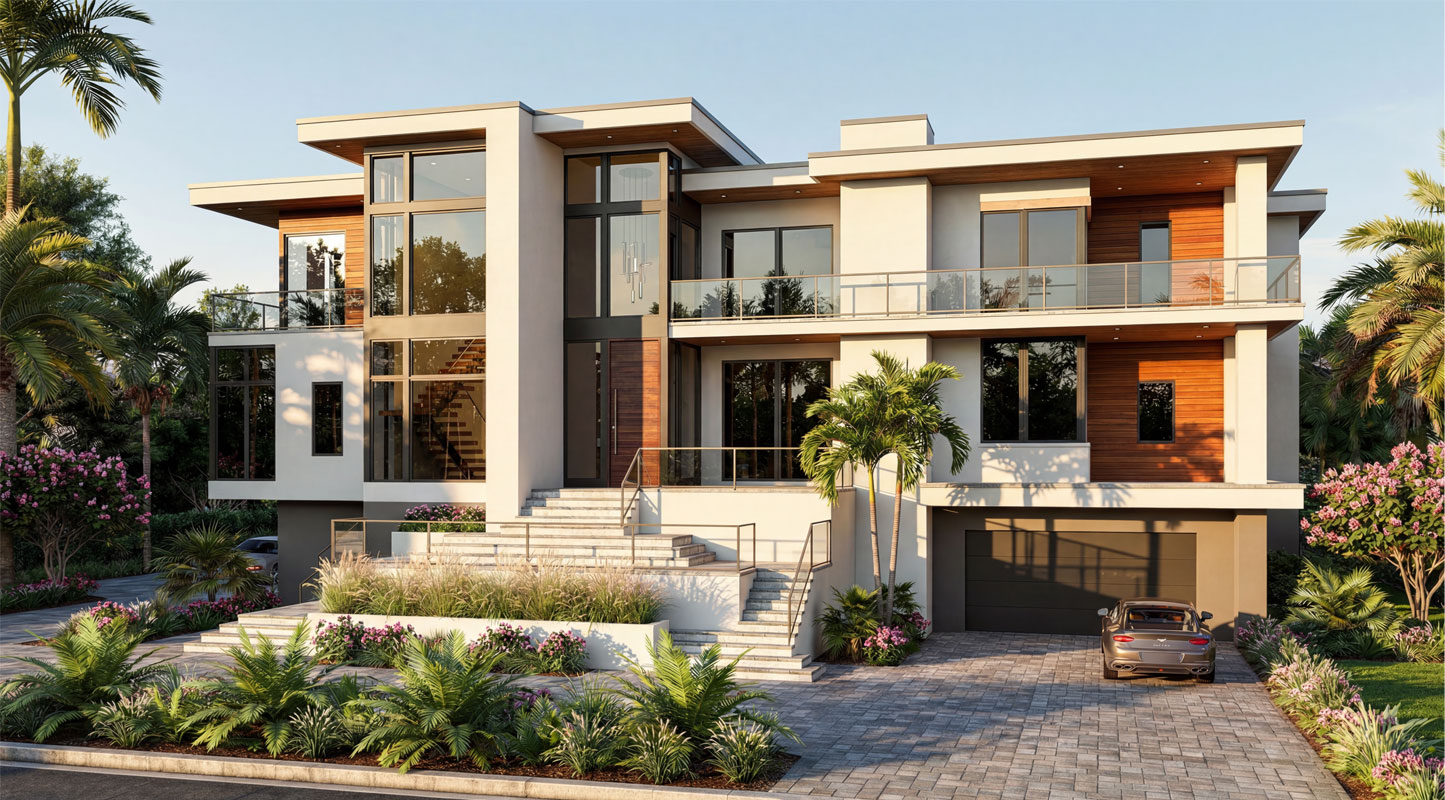
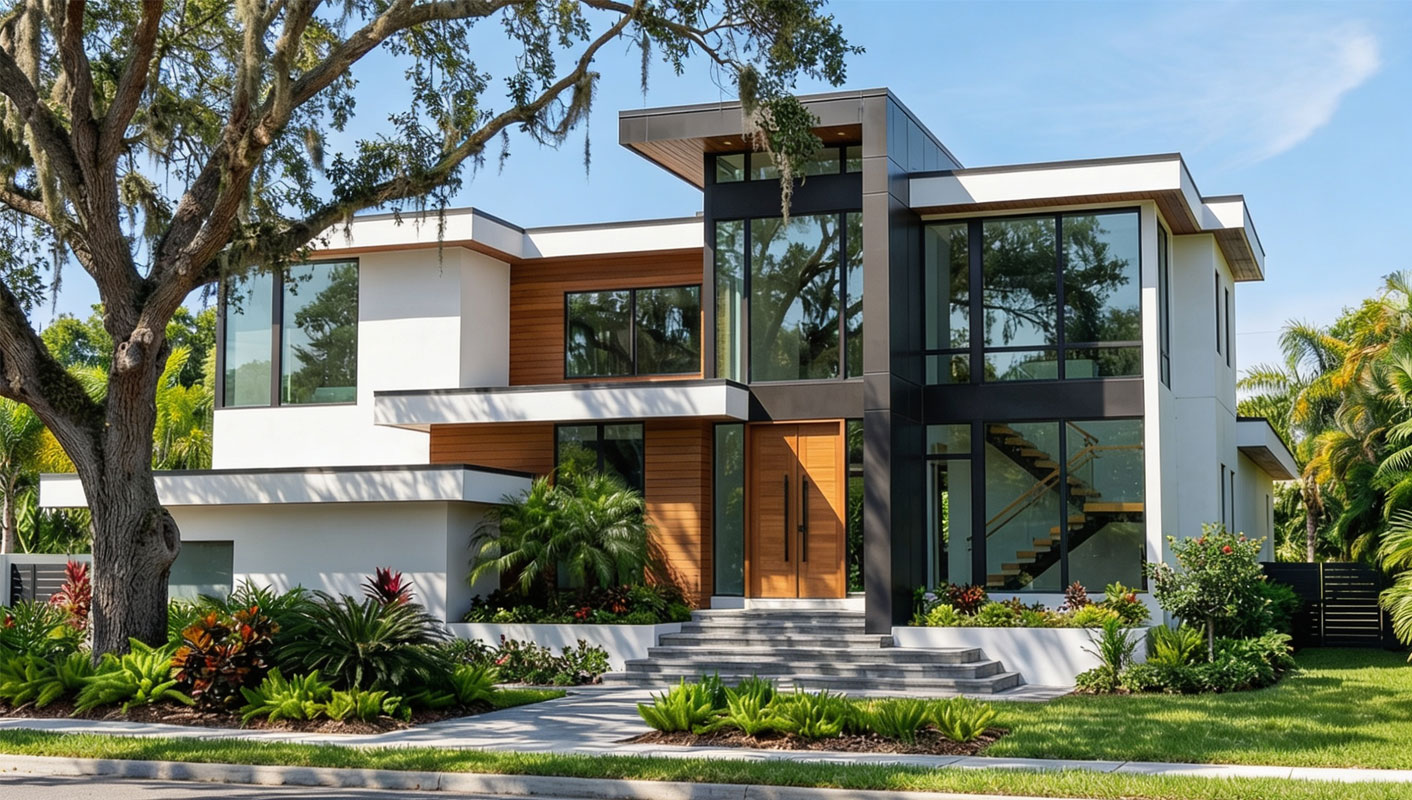
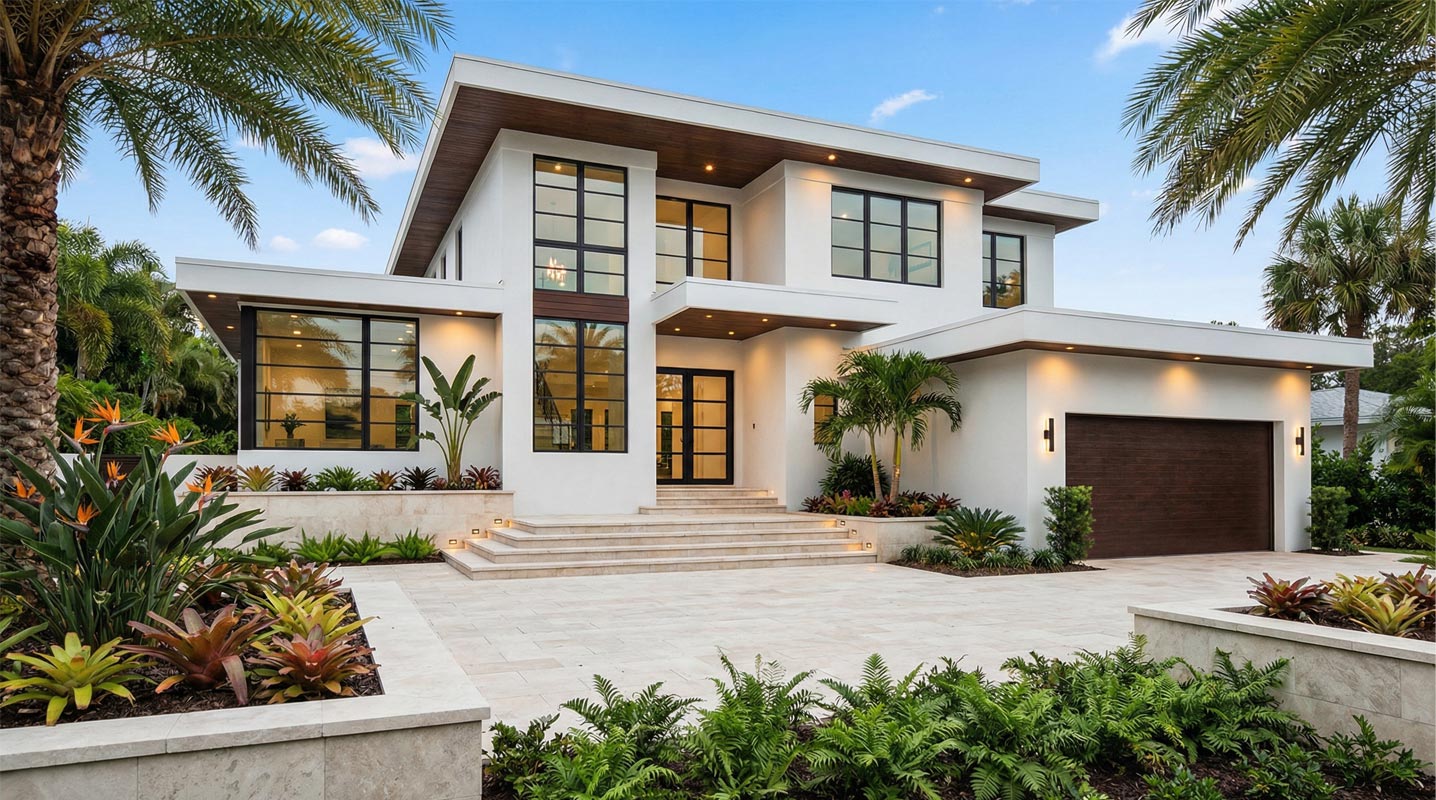
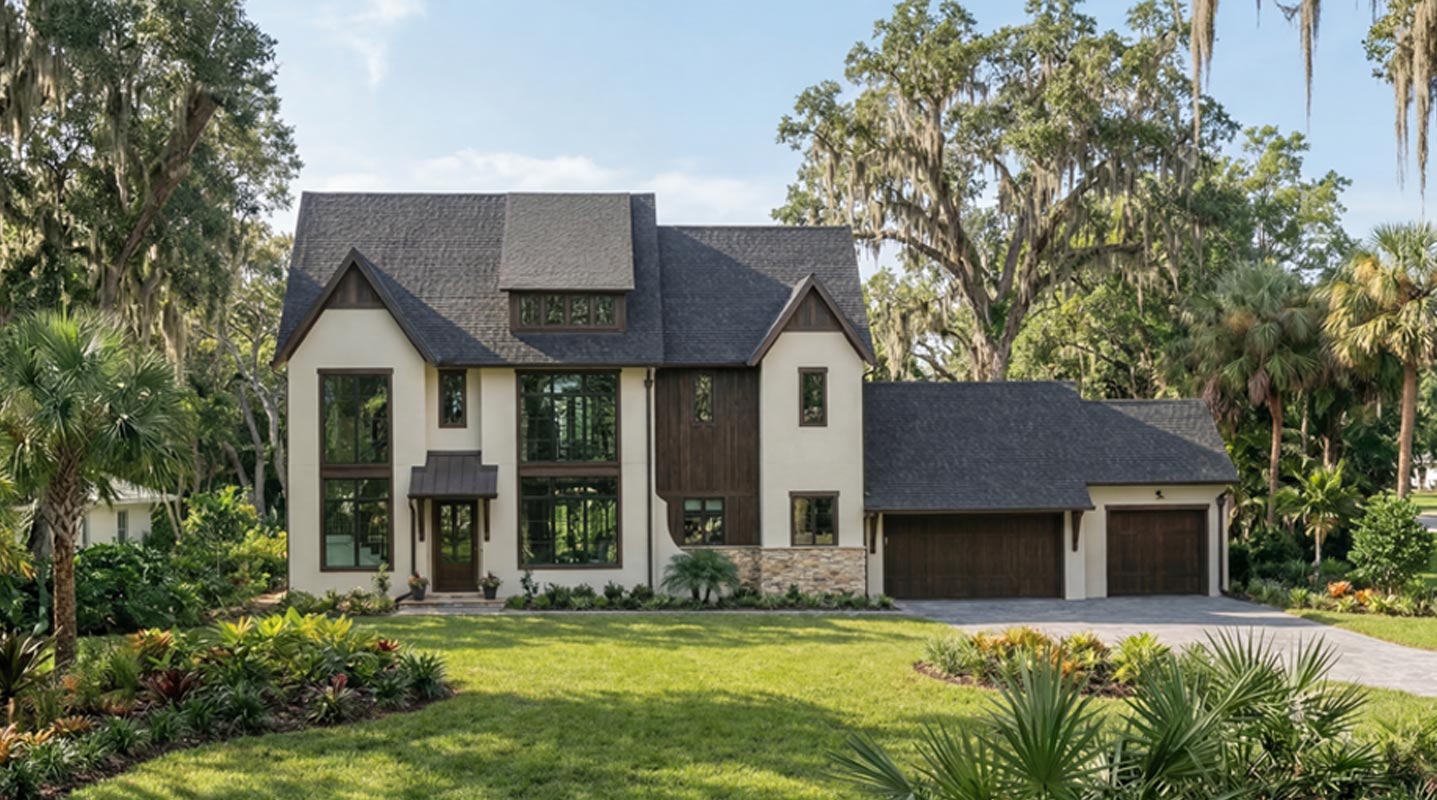
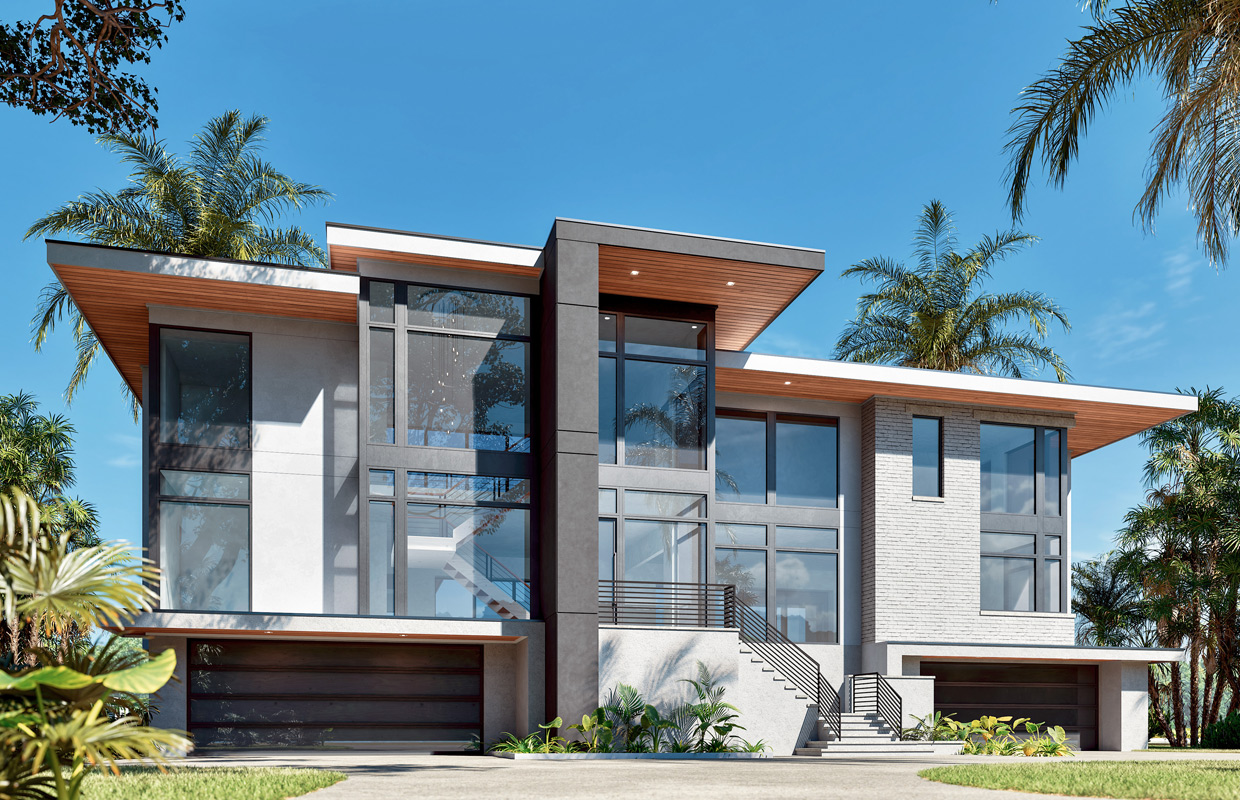
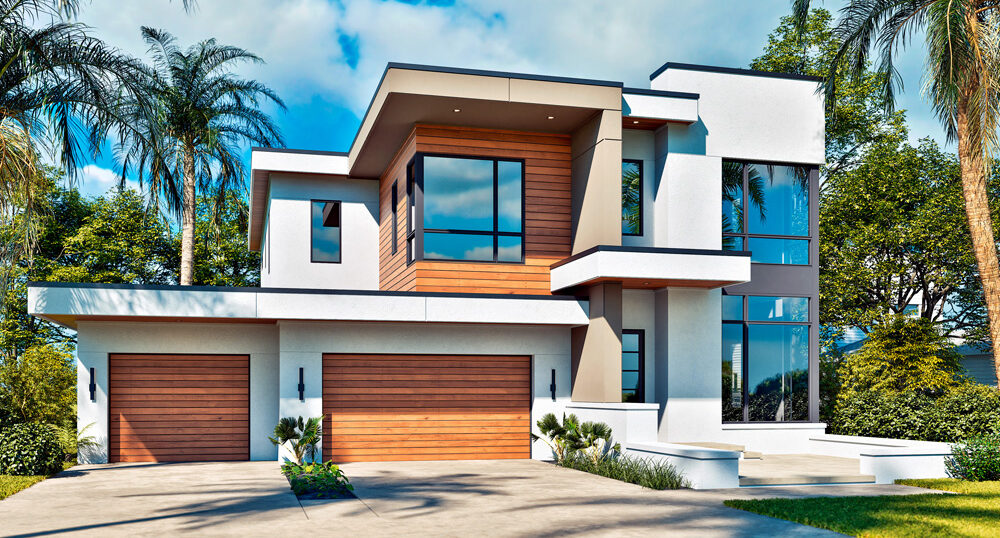
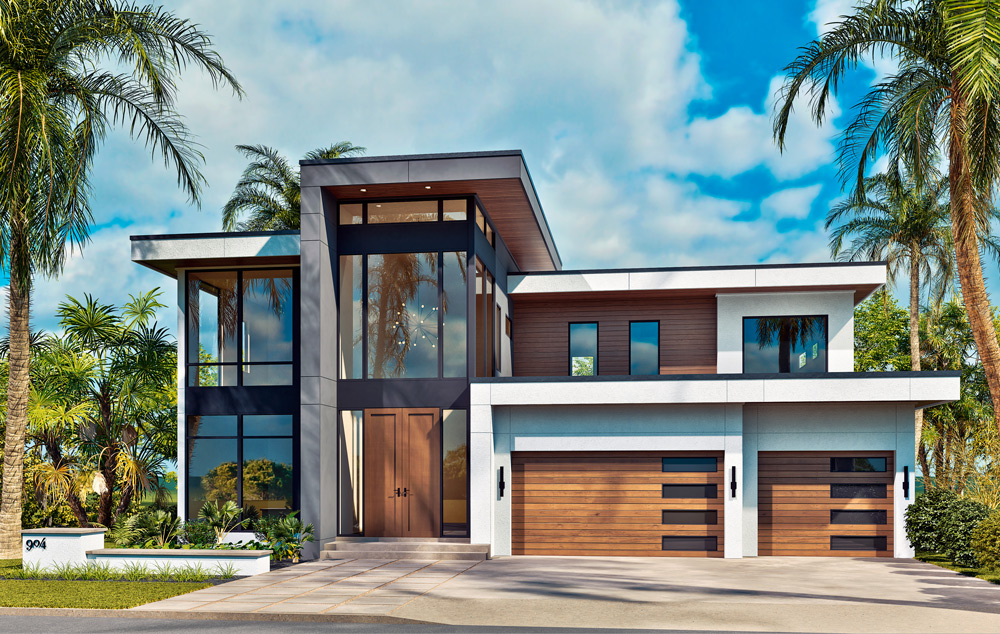
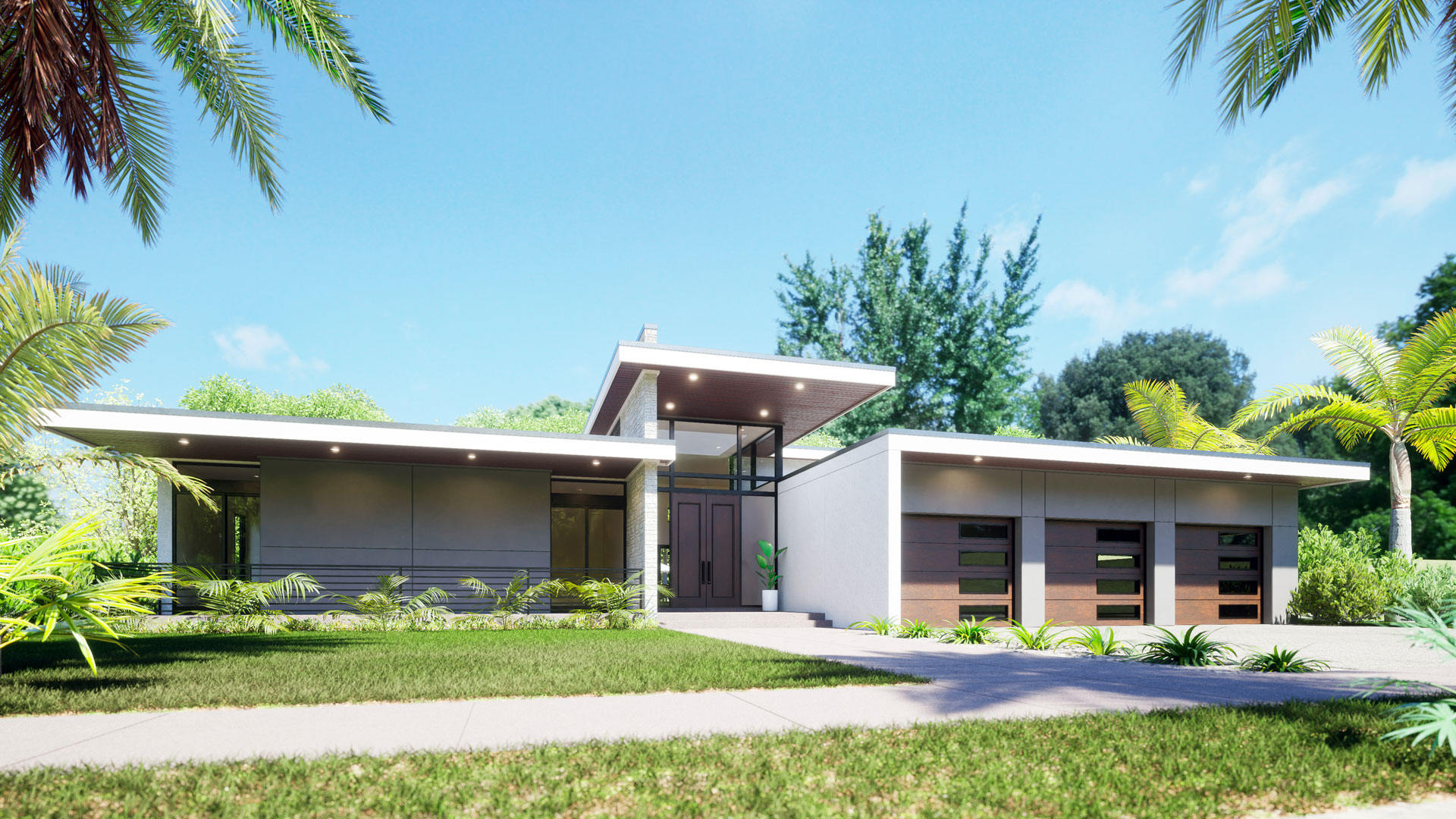
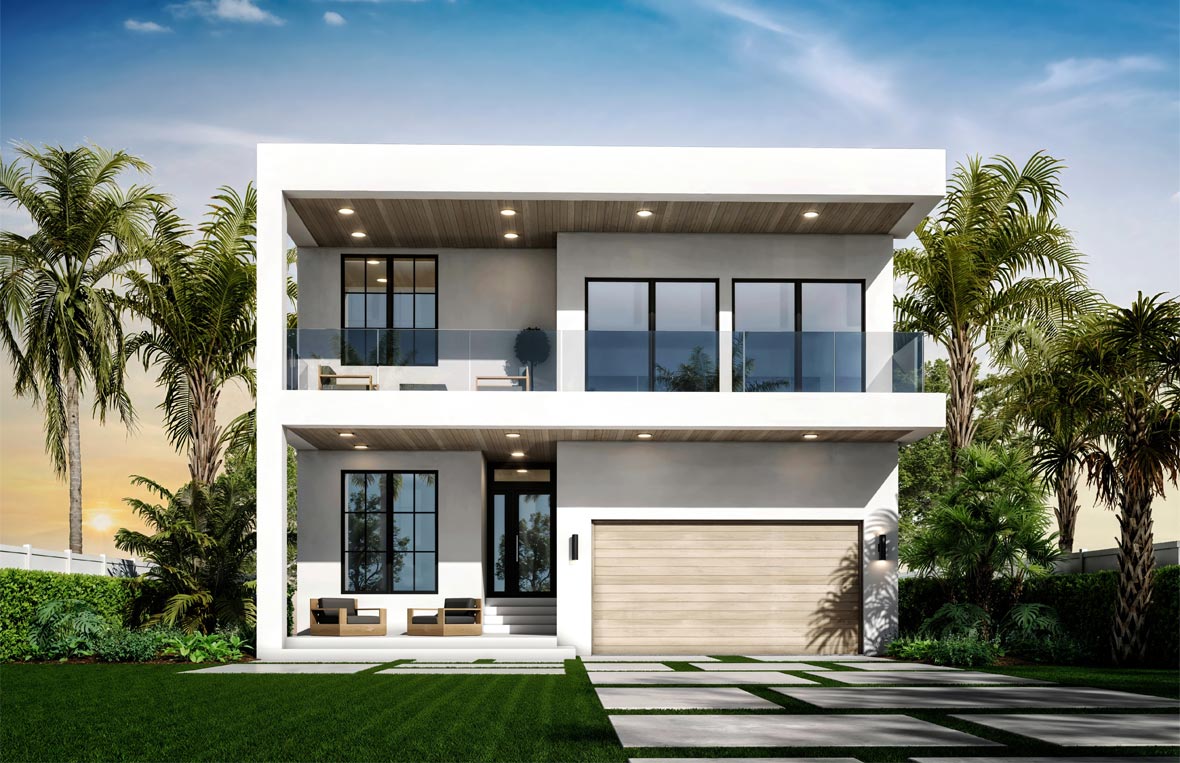
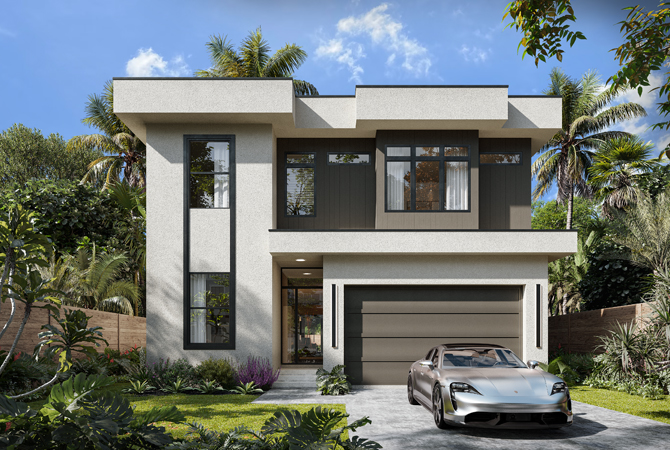
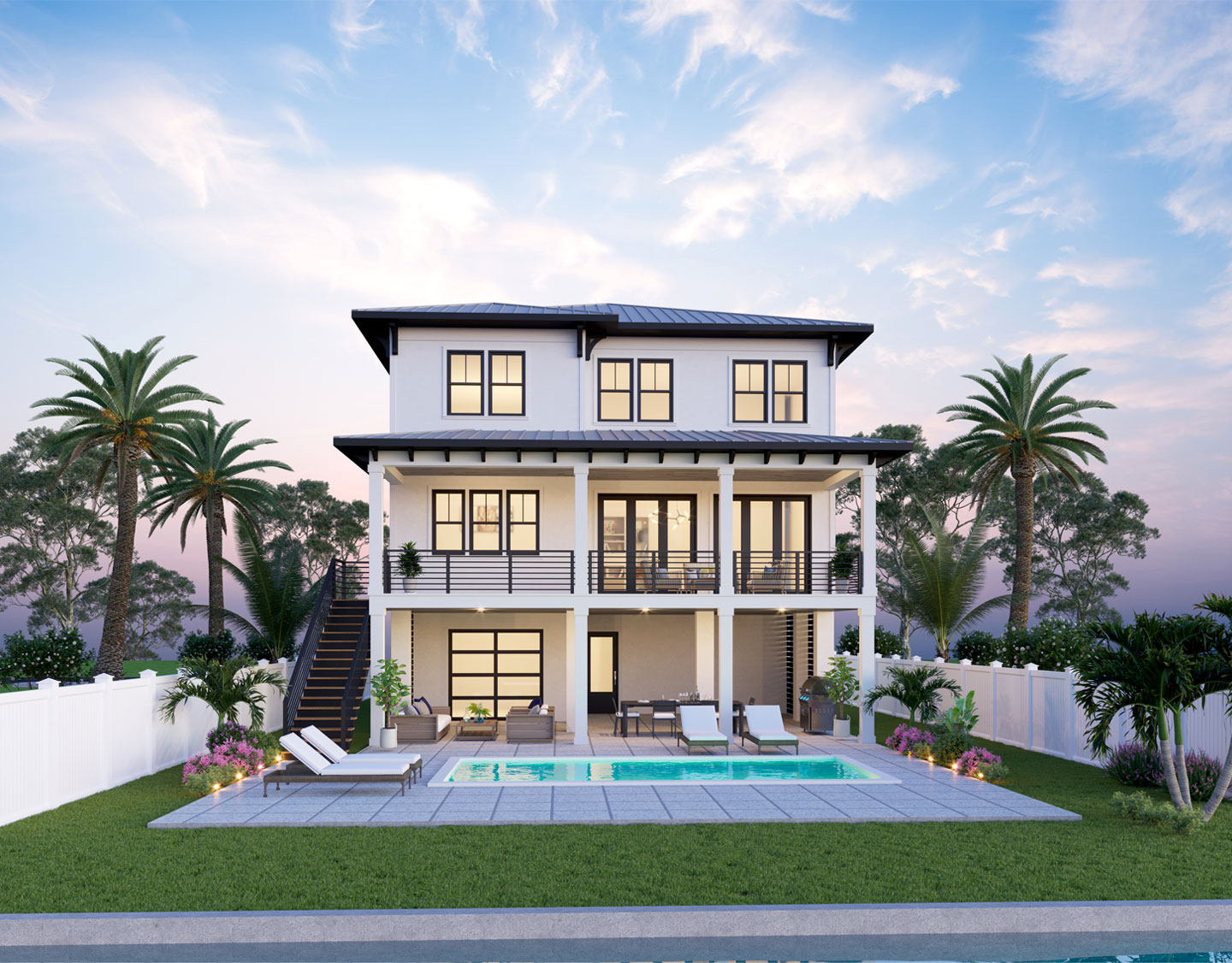
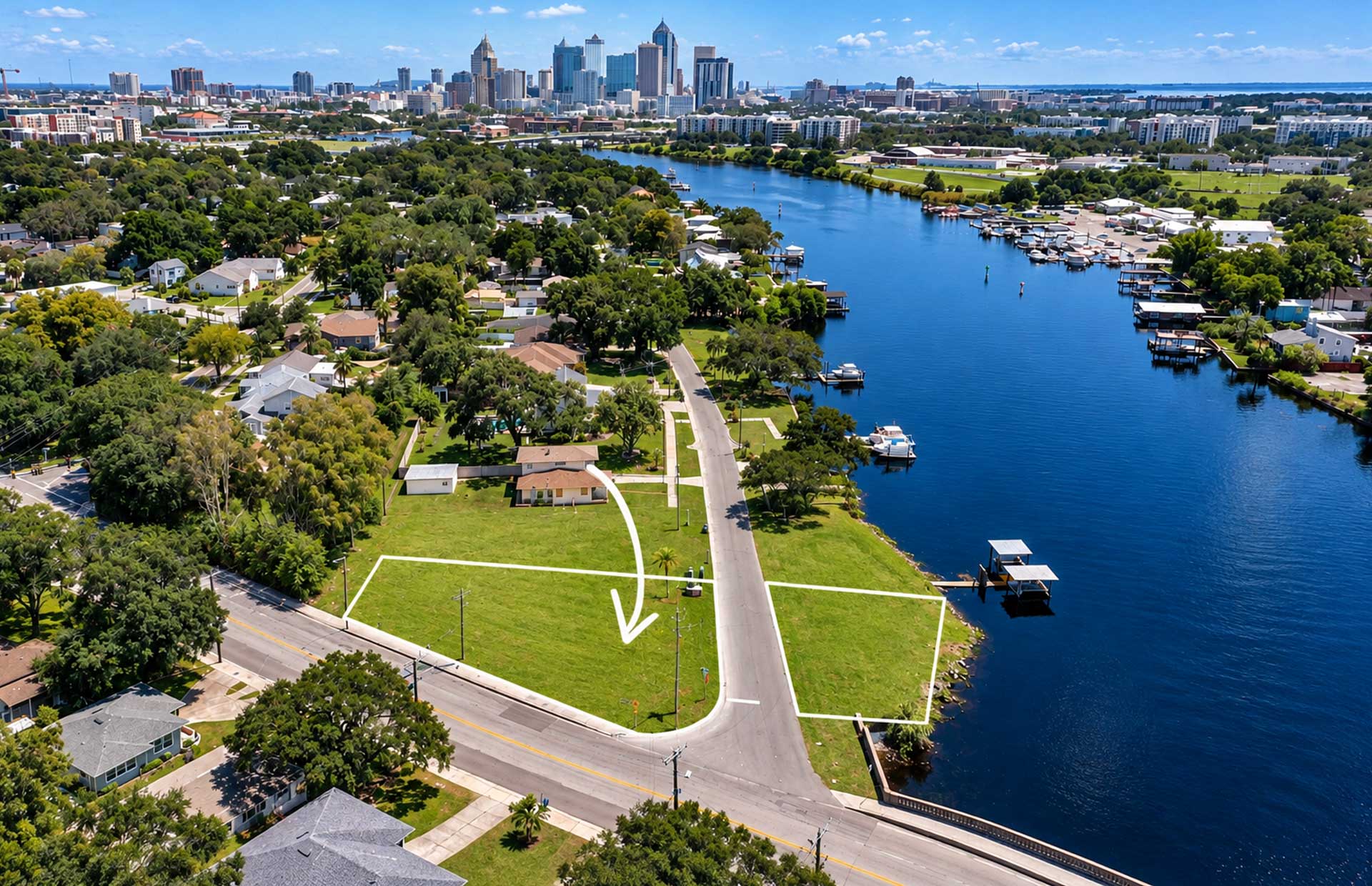
Building on your own land gives you the flexibility to create a home with the layout, architectural style, and features you want. But before you start, it is important to know whether your property is suitable for your plans, which approvals you will need, and how much the project will cost.
If you are considering building on your Tampa lot, it is important to plan carefully to prevent unanticipated costs and construction delays. Everything from assessing your land to selecting the appropriate builder is crucial to building a home that suits your needs.
This guide provides information that homeowners should have before developing their own land for a custom home.
1. Check Whether Your Land Is Suitable for Construction
Not everyone who owns a piece of land is able to construct any type of house they choose. The size, location and physical condition of the property may impact your construction plans.
The first step is to review the zoning and building ordinances that may apply to your property. These rules may govern permitted uses, building height, setbacks, and how much of the lot can be built on.
The boundaries, drainage and soil conditions should be reviewed as well. Some sites may need to be prepared before construction.
If you are thinking about building on your own lot in Tampa, have a professional assess your proposed house design before you finalize it. Identifying potential problems early will help you make better decisions about your land and budget.
2. Design a House for Your Lot
The design of your home should work with the land. The shape, size, and limitations of the property can affect the size and layout of your future home.
For example, a narrow lot will need a different layout than a wide lot. A site with drainage issues may also require additional planning before determining where to place the home.
Take into account the requirements of your family before picking a design. Consider how many bedrooms, living areas, storage spaces, parking spaces and outdoor amenities you need.
A knowledgeable Tampa custom home builder can assist you in looking at design alternatives suitable for your property. Careful consideration of these aspects early on will minimize expensive changes during construction.
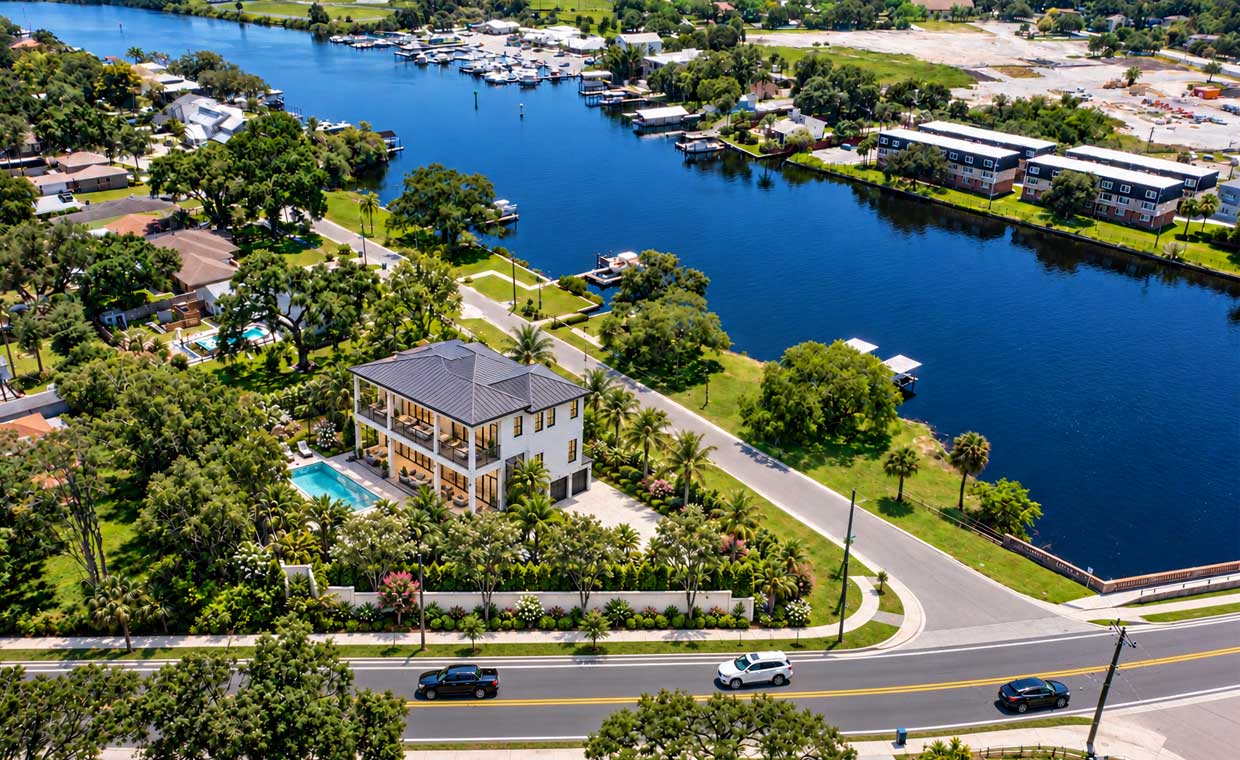
3. Understand Permits and Local Building Requirements
Residential construction must comply with local regulations and applicable building codes. Building permits, approved plans, engineering documents, and other authorizations may be required for your property and project.
Requirements may differ depending on whether your property is within or outside the City of Tampa.
Before construction, identify the required approvals and determine who will be responsible for managing them. It is also important to know whether additional tests or permits are needed for staging areas, site work, drainage, or utility connections.
Proceeding without the proper permits can result in delays, extra costs, and compliance issues. Meeting these requirements early helps keep the project organized.
4. Calculate Your Custom Home Building Cost
It is crucial to understand how much it will cost to construct your custom home before you get started. The total investment will depend on factors such as the home’s size and design, materials, labor, and site conditions.
While owning the land may decrease the amount you need to finance, it does not eliminate other project costs.
You’ll need a budget for the following:
When reviewing custom home builders’ prices, ask for a detailed estimate. Be sure you understand what is covered and what additional costs you might incur.
A contingency fund for unforeseen costs is also recommended. This offers flexibility if site conditions or construction requirements change.
5. Choose the Right Custom Home Builder
Your choice of builder will affect the quality of your home, the construction timeline, and your overall experience.
Seek a builder who understands what you want and communicates clearly. Ask about their approach to site evaluation, design, budgeting, and construction management.
Here are some important factors to consider before making your decision:
Considering more than the initial bid can help you make a more informed choice when selecting a builder.
6. Plan for Land Development and Construction
After the design is finalized and approvals are obtained, the property may require preparation before construction begins.
Land preparation may include clearing, grading, drainage work, and utility installation. Specific requirements will vary according to the property’s characteristics and the approved construction plans.
Your builder and relevant technical experts can help you determine what work needs to be done and in what order.
Important design decisions should also be finalized before construction begins. Changes to the floor plan, materials, or fixtures later in the process can introduce additional expenses and affect the schedule.
Careful planning helps keep the project on track.
When it comes to building a custom home, it is essential to define your objectives, understand your property’s conditions, and establish your budget. NEO Homes can be part of your journey as you explore options for a home that is uniquely yours.
Start by discussing your preferred design, the features that are important to you, and how much you want to spend. Understanding these priorities will help you set a clear course for your project.
As you consider building a custom home in Tampa, preparation can help you address important questions before construction begins.
Building a home on your property offers flexibility in design, but preparation is the key to success. Assess your property, understand your needs, establish a budget, and look for a builder who can explain the process clearly.
Ready to break ground in Tampa? Talk to NEO Homes about your vision and the steps you can take to make your dream home a reality.